
quaint-spark.com
Social

Federal Funding Targets Human Trafficking and Survivor Support

by cms@editor July 29, 2026
written by cms@editor

The federal government is funding six organizations across the country in an effort to combat human trafficking and support survivors, with Minister of Women and Gender Equality Rechie Valdez announcing $1.4 million in funding in Halifax. The funding is intended to help front-line organizations provide essential services to victims of human trafficking, including shelter, counselling, and other forms of support. The announcement reflects the government’s recognition that human trafficking is a serious issue that requires a coordinated response from all levels of government and community organizations.

Human trafficking is a form of modern-day slavery that involves the exploitation of individuals for labour or sexual purposes. The issue affects communities across Canada, with victims often coming from vulnerable populations, including women, children, and Indigenous peoples. The government has been working to address the issue through a range of initiatives, including prevention programs, law enforcement efforts, and support services for survivors. The funding for front-line organizations is an important part of this approach, ensuring that victims have access to the services they need to rebuild their lives.

The organizations receiving funding are located across the country and provide a range of services to survivors of human trafficking. These services include emergency shelter, counselling, legal assistance, and support with housing, education, and employment. The funding is intended to help these organizations expand their services and reach more survivors, addressing the gaps in support that exist in many communities. The government has emphasized that the funding is part of a broader strategy to combat human trafficking and support survivors.

Pages: 1 2

Social

Minister Valdez Highlights Canada Child Benefit Support for Families

by cms@editor July 29, 2026
written by cms@editor

The Honourable Rechie Valdez, Minister of Women and Gender Equality, has been highlighting the increased supports for Canadian families through the Canada Child Benefit. Speaking in Toronto, Minister Valdez emphasized that the Government of Canada continues to make life more affordable for families by strengthening the benefit, helping parents cover the costs of raising their children and giving every child the opportunity to thrive. The minister’s comments reflect the government’s commitment to supporting families and ensuring that children have the resources they need to succeed.

The Canada Child Benefit provides tax-free monthly payments to families based on the prior year’s income, with the amount increasing for families with lower incomes. The benefit is designed to help families with the costs of raising children, including expenses such as food, clothing, housing, and childcare. The increased benefit for 2026-27 represents an investment in Canadian families and is expected to have a significant impact on child poverty rates. The government has emphasized that the benefit is one of the key tools it uses to support families and reduce inequality.

Minister Valdez’s announcement in Toronto was part of a series of events across the country highlighting the increased benefit. The Honourable Lena Metlege Diab, Minister of Immigration, Refugees and Citizenship, also highlighted the increase in Halifax, emphasizing the importance of the benefit for families in Atlantic Canada. Parliamentary Secretary Tom Osborne highlighted the benefit in St. John’s, Newfoundland and Labrador, as the government sought to ensure that families across the country were aware of the increased support available to them. The coordinated messaging reflects the government’s efforts to communicate the benefits of the program to families.

Pages: 1 2

Social

Canada Pauses Immigration Sponsorship Applications Amid Policy Review

by cms@editor July 29, 2026
written by cms@editor

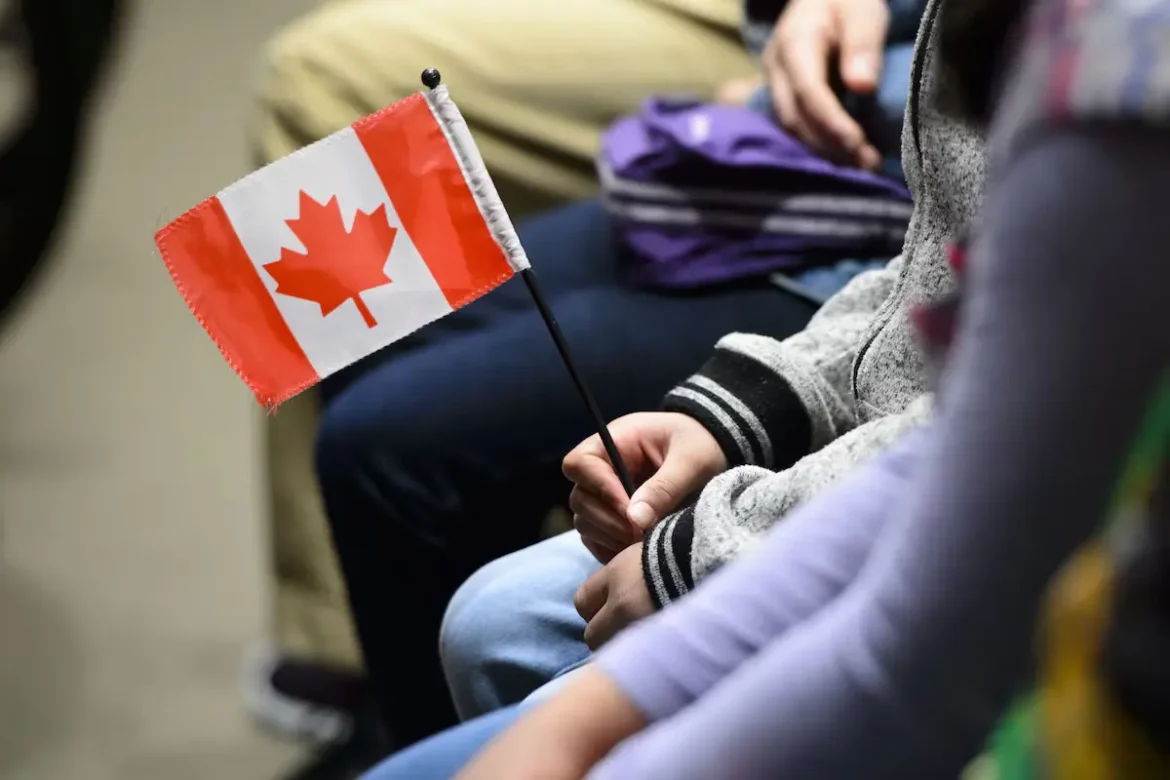
The Canadian government has paused applications for the parent and grandparent immigration sponsorship program, according to reports from CBC News. The decision comes as part of a broader review of immigration policies and reflects the government’s efforts to manage immigration levels and ensure that the system remains sustainable. The pause has affected thousands of families who were hoping to sponsor their parents and grandparents to come to Canada, creating uncertainty for those who had been planning to apply. The government has not provided a timeline for when the program will resume, leaving many families in limbo.

The government has also cut the number of temporary work and student visas issued in 2026 to almost half the number issued in 2025. The reduction in temporary visas reflects the government’s efforts to manage immigration levels and address concerns about the impact of temporary residents on housing, healthcare, and other services. The decision has been met with mixed reactions, with some welcoming the move as a way to reduce pressure on infrastructure and services, while others have expressed concern about the impact on businesses that rely on temporary foreign workers and educational institutions that depend on international students.

The pause in the parent and grandparent sponsorship program has been particularly challenging for families who had been planning to reunite with loved ones. The program has been a popular pathway for family reunification, allowing Canadian citizens and permanent residents to sponsor their parents and grandparents to come to Canada. The pause has left many families uncertain about their future, with some expressing frustration at the lack of clarity from the government. Immigration advocates have called on the government to provide more information about the timeline for resuming the program and to ensure that families are not unduly affected by the pause.

Pages: 1 2

Social

Federal Government Invests $607 Million to End Gender-Based Violence

by cms@editor July 29, 2026
written by cms@editor

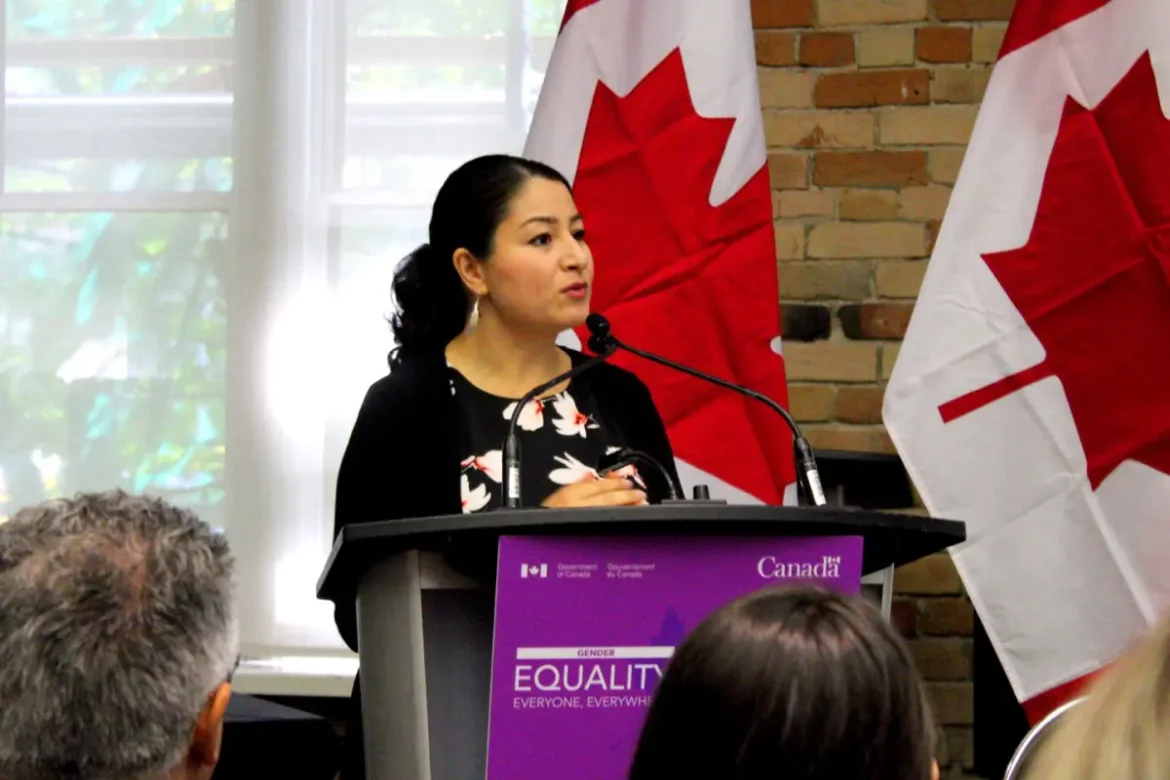
The federal government has announced a renewed investment of $607.4 million over four years in Canada’s National Action Plan to end Gender-Based Violence. The plan, which was created in 2022 but set to run out of funding in 2027, will receive continued support to ensure that essential services for victims and survivors of gender-based violence remain available. Canada’s Minister for Women and Gender Equality Rechie Valdez made the announcement, emphasizing the government’s commitment to supporting people experiencing violent situations with timely, trauma-informed support where they live, including in rural, remote communities and regions of the country.

The investment comes as ministers of gender equality from across the country have been participating in the 44th Annual Federal-Provincial-Territorial meetings in Moncton, New Brunswick. The ministers have been discussing a wide range of issues, including the impact of artificial intelligence in female-dominated industries and domestic violence prevention. The meetings have provided an opportunity for federal, provincial, and territorial leaders to collaborate on strategies to address gender-based violence and support survivors. The renewed funding for the National Action Plan is a key outcome of these discussions.

In Halifax, Minister Valdez also announced $1.4 million in funding for six organizations across the country in an effort to combat human trafficking and support survivors. The funding is intended to help front-line organizations provide essential services to victims of human trafficking, including shelter, counselling, and other forms of support. The announcement reflects the government’s recognition that human trafficking is a serious issue that requires a coordinated response from all levels of government and community organizations. The funding will support organizations that work directly with survivors, helping them rebuild their lives and escape the cycle of exploitation.
Pages: 1 2

Social

Canada Child Benefit Increase Provides Support for Families

by cms@editor July 29, 2026
written by cms@editor

The Government of Canada has increased the Canada Child Benefit, providing families with more support to help cover the costs of raising children. Starting in July 2026, the CCB will provide families with up to $8,157 per child under the age of 6 and up to $6,883 per child aged 6 to 17. This represents an increase of up to $160 per child under age 6 and up to $135 per child aged 6 to 17 compared to the previous year. The increased benefit is designed to help families manage everyday expenses such as groceries, clothing, and childcare, providing direct affordability support to households across the country.

In Alberta alone, the Canada Child Benefit provides over $4 billion in benefits to approximately 500,000 families each year. Nationally, the CCB supports about 3.6 million families caring for 6 million children, delivering approximately $30 billion in annual tax-free payments. The program has helped to lift hundreds of thousands of children out of poverty and has put more money directly into the pockets of parents who need it most. The increased benefit reflects the government’s commitment to supporting families and ensuring that every child has the opportunity to thrive.

The Honourable Anna Gainey, Secretary of State for Children and Youth, emphasized the importance of the increased benefit for Canadian families. “Starting Monday, the Canada Child Benefit is going up for 3.6 million Canadian families,” Gainey said. “This increased monthly payment will help cover everyday expenses like school supplies, clothing, and groceries. When we invest in kids, we’re investing in our future and building Canada strong”. The statement reflects the government’s view that supporting children and families is an investment in the country’s future, with benefits that extend beyond individual households.

Pages: 1 2

Economics

Bank of Canada Projects Gradual Economic Recovery

by cms@editor July 29, 2026
written by cms@editor

The Bank of Canada’s July 2026 Monetary Policy Report projects that economic growth in Canada will pick up after a weaker-than-expected start to the year. GDP growth is expected to be slightly stronger in 2027 and 2028, according to the central bank’s projections. The outlook reflects expectations that the Canadian economy will gradually recover from the soft patch experienced in the first half of the year, supported by improving global conditions and the resilience of the domestic economy. However, risks to the outlook remain, including the potential for further trade disruptions and geopolitical uncertainties that could weigh on economic activity.

Headline inflation in Canada has risen above 3 per cent, but the Bank of Canada expects inflation to ease in the coming months if oil prices and gasoline refinery margins decline as assumed. The central bank’s projections are based on the oil price futures curve as of July 9, 2026, and on an assumed narrowing in gasoline margins. The Bank of Canada continues to monitor inflation developments closely and has indicated that it will adjust monetary policy as needed to achieve its inflation target. The central bank’s goal is to bring inflation back to the 2 per cent target, which it expects to achieve by early 2027.

The Canadian economy has faced a number of challenges in recent months, including the trade tensions with the United States, which have created uncertainty for businesses and consumers. The latest round of tariffs announced by the Trump administration would affect a wide range of Canadian products, and the threat of further tariffs has weighed on business investment and consumer confidence. The Bank of Canada has been monitoring the situation closely and has indicated that it stands ready to adjust monetary policy if the trade disruptions threaten the economic outlook.

Pages: 1 2

Economics

Small Business Confidence Improves Despite Trade Uncertainty

by cms@editor July 29, 2026
written by cms@editor

Small business confidence in Canada rose to 58.3 points in July, according to the latest Monthly Business Barometer by the Canadian Federation of Independent Business. The improvement in confidence is a positive sign for the Canadian economy, as small businesses are a vital part of the country’s economic fabric, employing millions of Canadians and contributing significantly to GDP. However, the new tariff threat from the United States could weigh on sentiment in the coming months, as businesses grapple with the uncertainty created by the escalating trade war. The CFIB’s data suggests that while businesses are cautiously optimistic about the economic outlook, they remain concerned about the potential impact of trade disruptions.

The Canadian Federation of Independent Business has also projected that private investment will weaken, even as GDP is expected to grow in the second and third quarters of 2026. The weak investment outlook reflects the uncertainty created by the trade tensions, as businesses delay capital expenditure decisions until the trade situation becomes clearer. The CFIB’s Main Street Quarterly report highlights the challenges facing small businesses, including rising costs, labour shortages, and regulatory burdens. The combination of these factors has made it difficult for small businesses to thrive, even as the broader economy shows signs of recovery.

Small businesses across Canada have been feeling the effects of the trade tensions, with many reporting that the uncertainty has made it difficult to plan for the future. The tariffs imposed by the United States have increased costs for businesses that rely on imported inputs, while the threat of further tariffs has created anxiety about the future. The Canadian government has been working to support small businesses through various programs and initiatives, including export development assistance and access to financing. However, many small business owners have expressed frustration with the lack of a clear plan to address the trade challenges.

Pages: 1 2

Economics

Canadian Dollar Weakens Amid Trade Tensions with United States

by cms@editor July 29, 2026
written by cms@editor

The Canadian dollar hit a one-week low as yield spreads widened on the U.S. tariff threat, with the currency weakening 0.2 per cent against the greenback and touching its weakest since July 14 at 1.4104. The depreciation of the loonie reflects growing concerns among investors about the impact of the escalating trade war on the Canadian economy. The currency’s decline has been driven by a combination of factors, including the widening interest rate differential between Canada and the United States and the flight to safety that has benefited the U.S. dollar. The Canadian dollar’s performance has important implications for the economy, as a weaker currency makes Canadian exports more competitive but also increases the cost of imports.

The Bank of Canada’s Monetary Policy Report noted that economic growth in Canada has been weak but is set to pick up. Headline inflation has risen above 3 per cent, but if oil prices and gasoline refinery margins decline as assumed, inflation should ease in the coming months. The central bank’s projections are based on the oil price futures curve as of July 9, 2026, and on an assumed narrowing in gasoline margins. The Bank of Canada continues to monitor economic developments closely and has indicated that it will adjust monetary policy as needed to achieve its inflation target and support economic growth.

The trade tensions with the United States have created significant uncertainty for the Canadian economy, making it difficult for businesses to plan for the future. The latest round of tariffs announced by the Trump administration would affect a wide range of Canadian products, including electronics equipment worth more than $4 billion US. The uncertainty has weighed on business investment and consumer confidence, with many Canadians expressing concern about the economic outlook. The Canadian government has been working to reassure businesses and consumers that it has a plan to address the trade challenges, but the situation remains fluid.

Pages: 1 2

Economics

Trump’s New Tariff Threats Create Uncertainty for Canadian Economy

by cms@editor July 29, 2026
written by cms@editor

U.S. President Donald Trump has imposed a tariff of 50 per cent on a wide range of Canadian products, citing what the White House calls Canada’s “discrimination” against U.S. alcohol, automotive, and dairy products. The new tariffs, which are expected to take effect in 30 days, represent the latest escalation in the trade war between the two countries. The announcement has created significant uncertainty for Canadian businesses and workers, as the tariffs would affect billions of dollars’ worth of Canadian exports. The Canadian government has vowed to respond forcefully, with Prime Minister Mark Carney stating that his government will do “whatever it takes” to defend Canada’s national interests.

Karl Schamotta, chief market strategist at Corpay, said the latest round of tariffs risks deepening the tit-for-tat spiral of retaliation and dragging Canada’s currency to a weaker place. While the Canadian dollar slid following the announcement, Schamotta noted that the fact that it didn’t “fall off a cliff” is good news and a sign that markets view the new proclamations as a threat rather than a certainty. Still, he said the 50 per cent levies could deal a “devastating blow” to the Canadian economy if they do come to pass. The uncertainty created by the tariff threats has made it difficult for businesses to plan for the future, with many delaying investment decisions until the trade situation becomes clearer.

The Ontario Chamber of Commerce described the decision to expand tariffs as a “needless, reckless escalation” in the trade war imposed on Canada by Trump. Daniel Tisch, president and CEO of the Ontario Chamber of Commerce, said Canadian and American businesses alike are tired of the endless cycle of threats, retaliation and uncertainty. Tariffs are taxes on growth, Tisch said, meaning higher costs, disrupted supply chains, delayed investment decisions and increased pressure on workers, businesses and communities on both sides of the border. The chamber called on Canada’s first ministers to act now to remove internal trade barriers, accelerate approvals for nation-building infrastructure, help businesses diversify export markets and create conditions for businesses to invest and innovate.

Pages: 1 2

Economics

Canada’s Inflation Rate Cools Below Expectations in June

by cms@editor July 29, 2026
written by cms@editor

Canada’s annual inflation rate cooled more than expected to 2.8 per cent in June, according to data released by Statistics Canada, as gasoline costs fell sharply following the signing of a memorandum of understanding between the United States and Iran. The reading came in below the 2.9 per cent forecast by analysts polled by Reuters and represented a significant decline from the 29-month high of 3.2 per cent recorded in May. The moderation in inflation has been welcomed by economists and policymakers alike, as it suggests that the Bank of Canada’s efforts to bring inflation under control are beginning to bear fruit. The central bank projects that inflation will ease to about 2½ per cent in the second half of 2026, reaching the 2 per cent target by early 2027.

Gasoline prices were the biggest contributor to the easing in the inflation rate, with the cost of fuel purchased at the pump falling by over 10 per cent in June. On a year-over-year basis, gasoline costs rose at a rate of 20.5 per cent in June, down from a rise of 33.2 per cent in the prior month. Excluding gasoline, the Consumer Price Index was unchanged in June compared with May, at 2.2 per cent. The decline in gasoline prices reflects broader trends in global energy markets, including the geopolitical developments that have influenced oil prices. However, the war in the Middle East has since flared up again, and gasoline costs have started inching up, suggesting that inflationary pressures may persist.

Transportation costs, which account for around 18 per cent of the CPI basket, rose by 6.7 per cent in June on an annual basis. Other items in the basket that grew at more than 3 per cent were food, which rose by 3.5 per cent in June, and the recreation, education and reading category, which increased by 3.8 per cent. However, the rise in grocery prices cooled slightly, with the cost of food purchased from stores rising by 3.9 per cent on an annual basis last month, down from 4.3 per cent in May. June was the 17th consecutive month that grocery price inflation outpaced the all-items CPI, reflecting the persistent pressure that food costs have placed on Canadian households.

Pages: 1 2

Newer Posts
Older Posts

Recent Posts

  • Canadian Artists See Surge in Popularity at Home and Abroad
  • Hamilton Fringe Festival Showcases Bold Independent Theatre
  • Bell Media Expands Investment in Canadian Original Drama
  • Christopher Nolan Fans Flock to Regina for 70mm IMAX Screening
  • Polaris Music Prize Announces 2026 Short List of Canadian Albums

2026

quaint-spark.com
We use cookies to improve website performance and user experience. If you continue to browse the site, you agree to the use of cookies. You can disable cookies at any time.