Home Social
Category:

Social

Advertisement

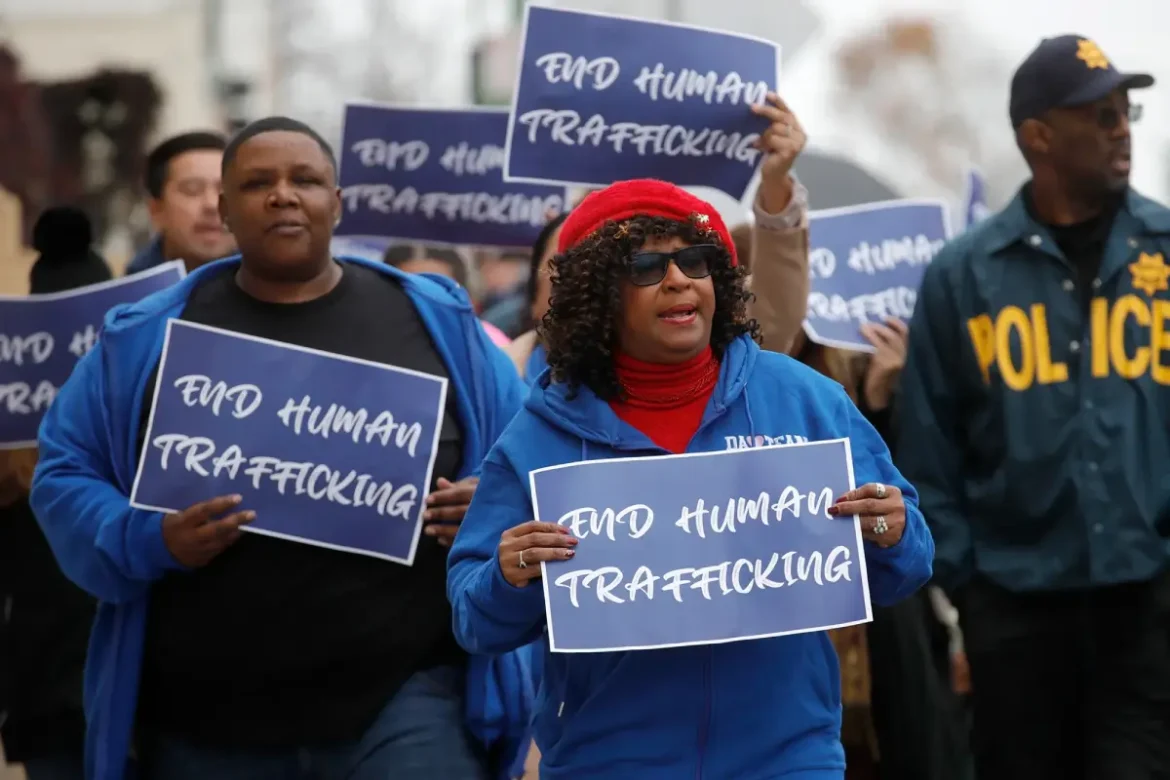
The federal government is funding six organizations across the country in an effort to combat human trafficking and support survivors, with Minister of Women and Gender Equality Rechie Valdez announcing $1.4 million in funding in Halifax. The funding is intended to help front-line organizations provide essential services to victims of human trafficking, including shelter, counselling, and other forms of support. The announcement reflects the government’s recognition that human trafficking is a serious issue that requires a coordinated response from all levels of government and community organizations.

Human trafficking is a form of modern-day slavery that involves the exploitation of individuals for labour or sexual purposes. The issue affects communities across Canada, with victims often coming from vulnerable populations, including women, children, and Indigenous peoples. The government has been working to address the issue through a range of initiatives, including prevention programs, law enforcement efforts, and support services for survivors. The funding for front-line organizations is an important part of this approach, ensuring that victims have access to the services they need to rebuild their lives.

The organizations receiving funding are located across the country and provide a range of services to survivors of human trafficking. These services include emergency shelter, counselling, legal assistance, and support with housing, education, and employment. The funding is intended to help these organizations expand their services and reach more survivors, addressing the gaps in support that exist in many communities. The government has emphasized that the funding is part of a broader strategy to combat human trafficking and support survivors.

Pages: 1 2

Advertisement

The Honourable Rechie Valdez, Minister of Women and Gender Equality, has been highlighting the increased supports for Canadian families through the Canada Child Benefit. Speaking in Toronto, Minister Valdez emphasized that the Government of Canada continues to make life more affordable for families by strengthening the benefit, helping parents cover the costs of raising their children and giving every child the opportunity to thrive. The minister’s comments reflect the government’s commitment to supporting families and ensuring that children have the resources they need to succeed.

The Canada Child Benefit provides tax-free monthly payments to families based on the prior year’s income, with the amount increasing for families with lower incomes. The benefit is designed to help families with the costs of raising children, including expenses such as food, clothing, housing, and childcare. The increased benefit for 2026-27 represents an investment in Canadian families and is expected to have a significant impact on child poverty rates. The government has emphasized that the benefit is one of the key tools it uses to support families and reduce inequality.

Minister Valdez’s announcement in Toronto was part of a series of events across the country highlighting the increased benefit. The Honourable Lena Metlege Diab, Minister of Immigration, Refugees and Citizenship, also highlighted the increase in Halifax, emphasizing the importance of the benefit for families in Atlantic Canada. Parliamentary Secretary Tom Osborne highlighted the benefit in St. John’s, Newfoundland and Labrador, as the government sought to ensure that families across the country were aware of the increased support available to them. The coordinated messaging reflects the government’s efforts to communicate the benefits of the program to families.

Pages: 1 2

Advertisement

The Canadian government has paused applications for the parent and grandparent immigration sponsorship program, according to reports from CBC News. The decision comes as part of a broader review of immigration policies and reflects the government’s efforts to manage immigration levels and ensure that the system remains sustainable. The pause has affected thousands of families who were hoping to sponsor their parents and grandparents to come to Canada, creating uncertainty for those who had been planning to apply. The government has not provided a timeline for when the program will resume, leaving many families in limbo.

The government has also cut the number of temporary work and student visas issued in 2026 to almost half the number issued in 2025. The reduction in temporary visas reflects the government’s efforts to manage immigration levels and address concerns about the impact of temporary residents on housing, healthcare, and other services. The decision has been met with mixed reactions, with some welcoming the move as a way to reduce pressure on infrastructure and services, while others have expressed concern about the impact on businesses that rely on temporary foreign workers and educational institutions that depend on international students.

The pause in the parent and grandparent sponsorship program has been particularly challenging for families who had been planning to reunite with loved ones. The program has been a popular pathway for family reunification, allowing Canadian citizens and permanent residents to sponsor their parents and grandparents to come to Canada. The pause has left many families uncertain about their future, with some expressing frustration at the lack of clarity from the government. Immigration advocates have called on the government to provide more information about the timeline for resuming the program and to ensure that families are not unduly affected by the pause.

Pages: 1 2

Advertisement

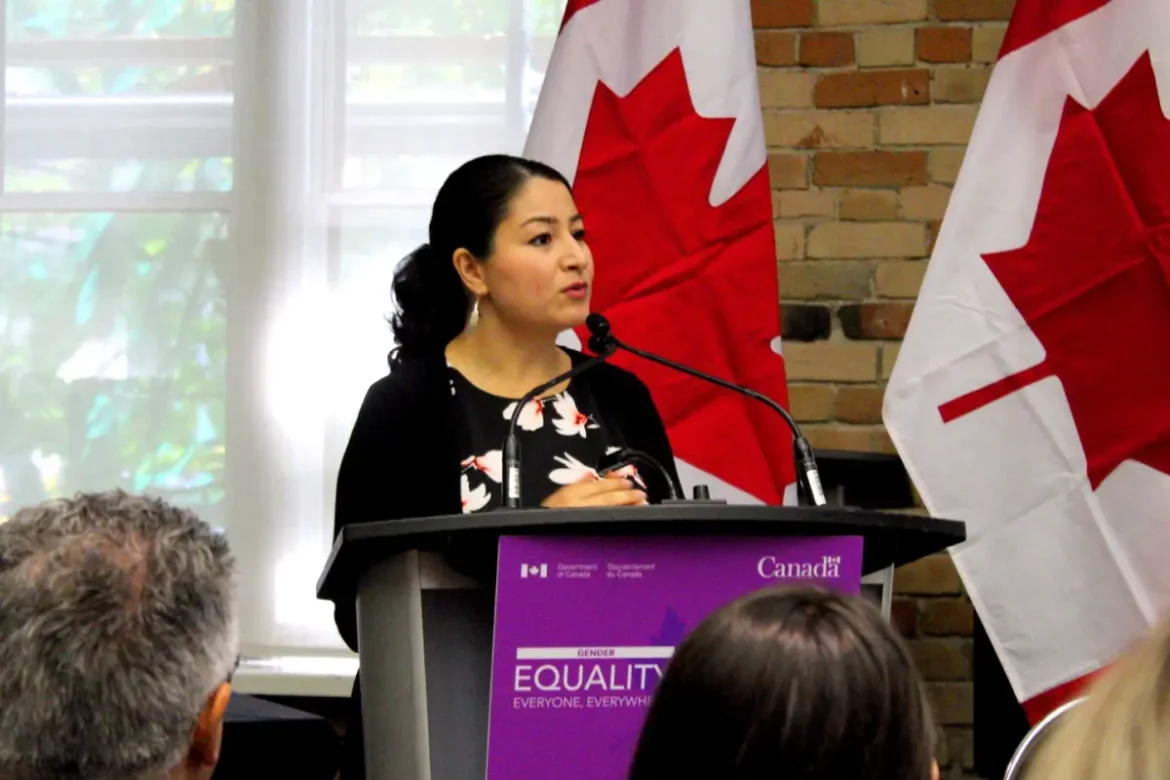
The federal government has announced a renewed investment of $607.4 million over four years in Canada’s National Action Plan to end Gender-Based Violence. The plan, which was created in 2022 but set to run out of funding in 2027, will receive continued support to ensure that essential services for victims and survivors of gender-based violence remain available. Canada’s Minister for Women and Gender Equality Rechie Valdez made the announcement, emphasizing the government’s commitment to supporting people experiencing violent situations with timely, trauma-informed support where they live, including in rural, remote communities and regions of the country.

The investment comes as ministers of gender equality from across the country have been participating in the 44th Annual Federal-Provincial-Territorial meetings in Moncton, New Brunswick. The ministers have been discussing a wide range of issues, including the impact of artificial intelligence in female-dominated industries and domestic violence prevention. The meetings have provided an opportunity for federal, provincial, and territorial leaders to collaborate on strategies to address gender-based violence and support survivors. The renewed funding for the National Action Plan is a key outcome of these discussions.

In Halifax, Minister Valdez also announced $1.4 million in funding for six organizations across the country in an effort to combat human trafficking and support survivors. The funding is intended to help front-line organizations provide essential services to victims of human trafficking, including shelter, counselling, and other forms of support. The announcement reflects the government’s recognition that human trafficking is a serious issue that requires a coordinated response from all levels of government and community organizations. The funding will support organizations that work directly with survivors, helping them rebuild their lives and escape the cycle of exploitation.
Pages: 1 2

Advertisement

The Government of Canada has increased the Canada Child Benefit, providing families with more support to help cover the costs of raising children. Starting in July 2026, the CCB will provide families with up to $8,157 per child under the age of 6 and up to $6,883 per child aged 6 to 17. This represents an increase of up to $160 per child under age 6 and up to $135 per child aged 6 to 17 compared to the previous year. The increased benefit is designed to help families manage everyday expenses such as groceries, clothing, and childcare, providing direct affordability support to households across the country.

In Alberta alone, the Canada Child Benefit provides over $4 billion in benefits to approximately 500,000 families each year. Nationally, the CCB supports about 3.6 million families caring for 6 million children, delivering approximately $30 billion in annual tax-free payments. The program has helped to lift hundreds of thousands of children out of poverty and has put more money directly into the pockets of parents who need it most. The increased benefit reflects the government’s commitment to supporting families and ensuring that every child has the opportunity to thrive.

The Honourable Anna Gainey, Secretary of State for Children and Youth, emphasized the importance of the increased benefit for Canadian families. “Starting Monday, the Canada Child Benefit is going up for 3.6 million Canadian families,” Gainey said. “This increased monthly payment will help cover everyday expenses like school supplies, clothing, and groceries. When we invest in kids, we’re investing in our future and building Canada strong”. The statement reflects the government’s view that supporting children and families is an investment in the country’s future, with benefits that extend beyond individual households.

Pages: 1 2

Advertisement

logo-white

Disclaimer

The content published on this website is provided for general informational purposes only. While we strive to keep the information accurate and up to date, we make no representations regarding its accuracy, completeness, or suitability. Readers are responsible for how they use the information found on this site.

All rights reserved © 2026