Home Politics
Category:

Politics

Advertisement

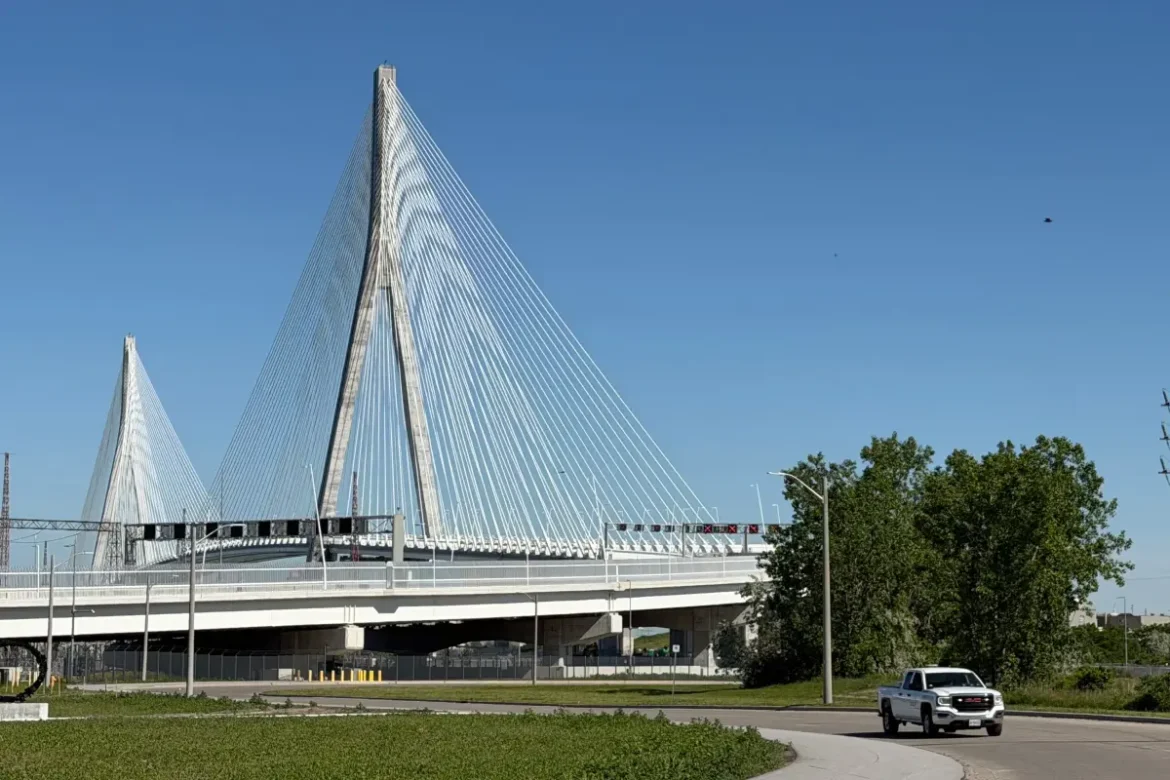
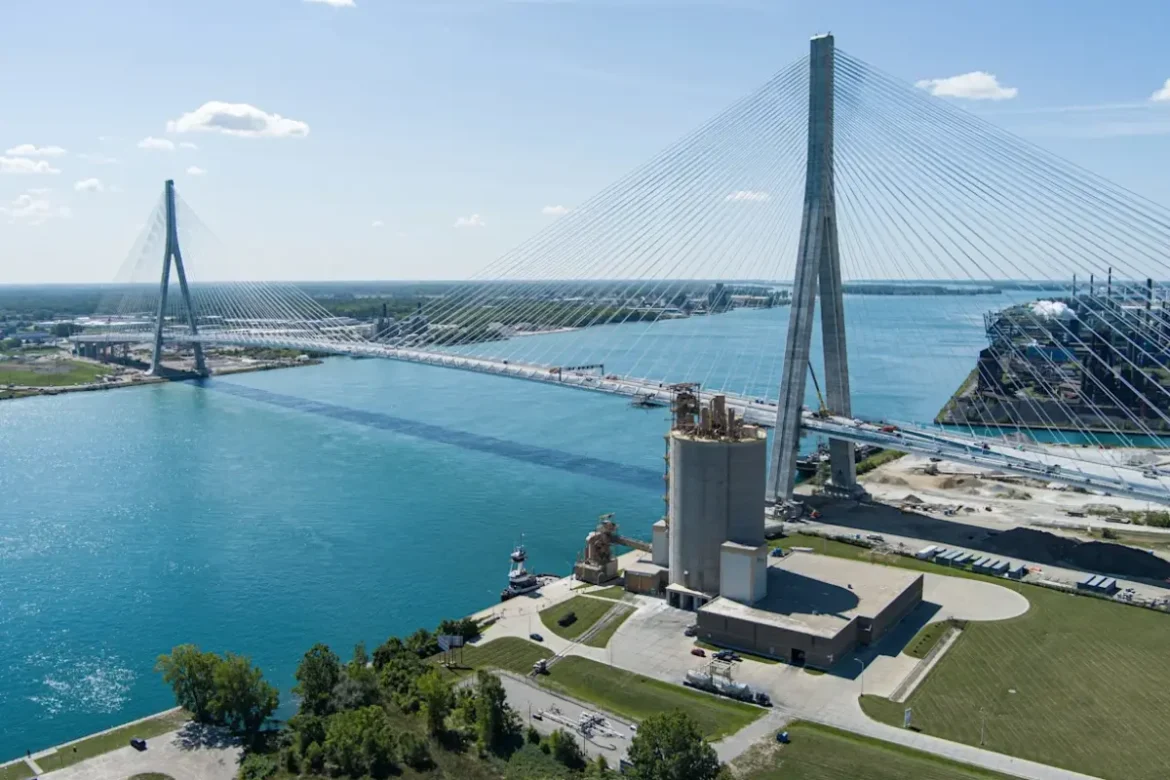
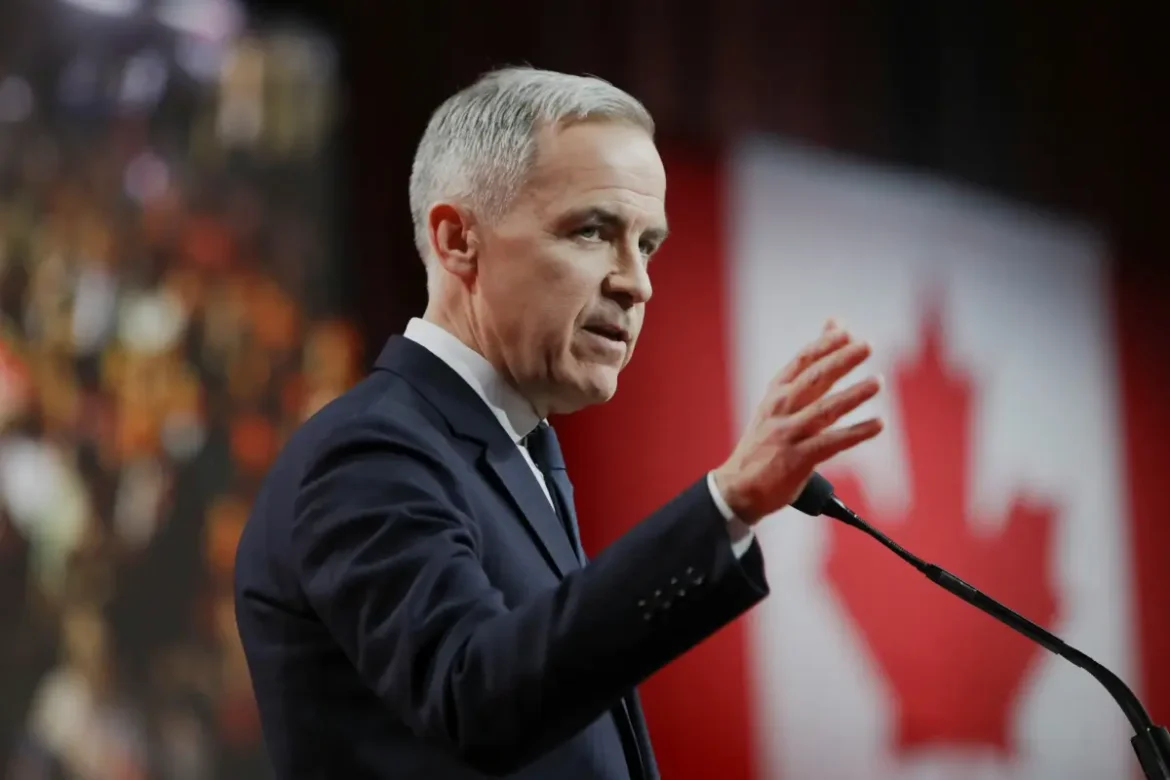
The Opposition Conservatives are calling on Prime Minister Mark Carney to publicize details of the deal between Canada and the United States to open the Gordie Howe International Bridge, accusing the prime minister of “contradictory statements about what you’ve given away”. Conservative Leader Pierre Poilievre has written a letter to Carney demanding transparency about the agreement, which has been at the centre of recent political tensions. The opposition’s push for transparency reflects broader concerns about the government’s approach to negotiations with the United States and the potential concessions that may have been made.

The controversy over the bridge deal began when Carney made comments at the Calgary Stampede that appeared to contradict the text of the agreement. The prime minister said that bridge toll revenue would only be split with the U.S. after accounting for operating costs, including repaying the debt. However, the text of the agreement, which was only made public later, made no reference to Canada’s debt. The discrepancy raised questions about the accuracy of the prime minister’s comments and the transparency of the government’s negotiations with the United States.

Conservative MP Kelly McCauley, chair of the government operations committee, has said he is convening a meeting to launch an “urgent investigation into the details of the Gordie Howe bridge deal and the misinformation provided to Canadians about it”. The investigation is intended to examine the details of the agreement and the government’s communications about it, including whether the prime minister misled Canadians about the deal. The opposition has seized on the controversy as evidence of the government’s lack of transparency and its willingness to make concessions to the United States that are not in Canada’s best interests.
Pages: 1 2

Advertisement

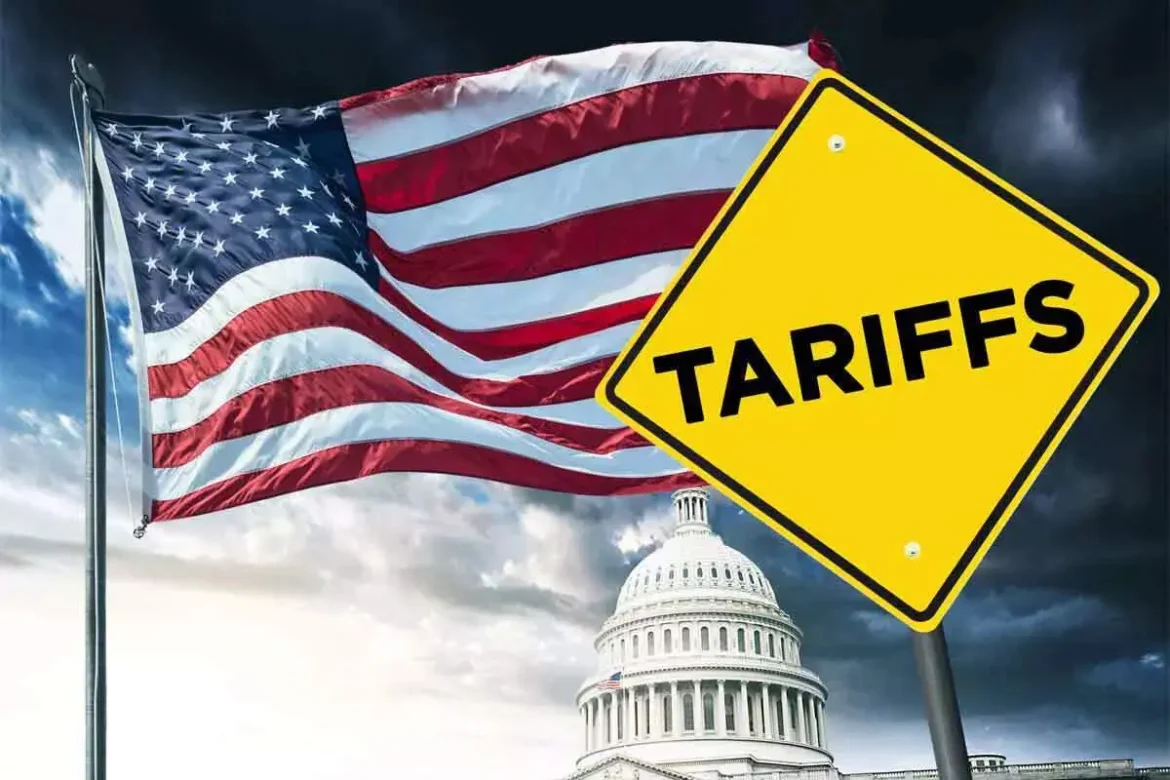
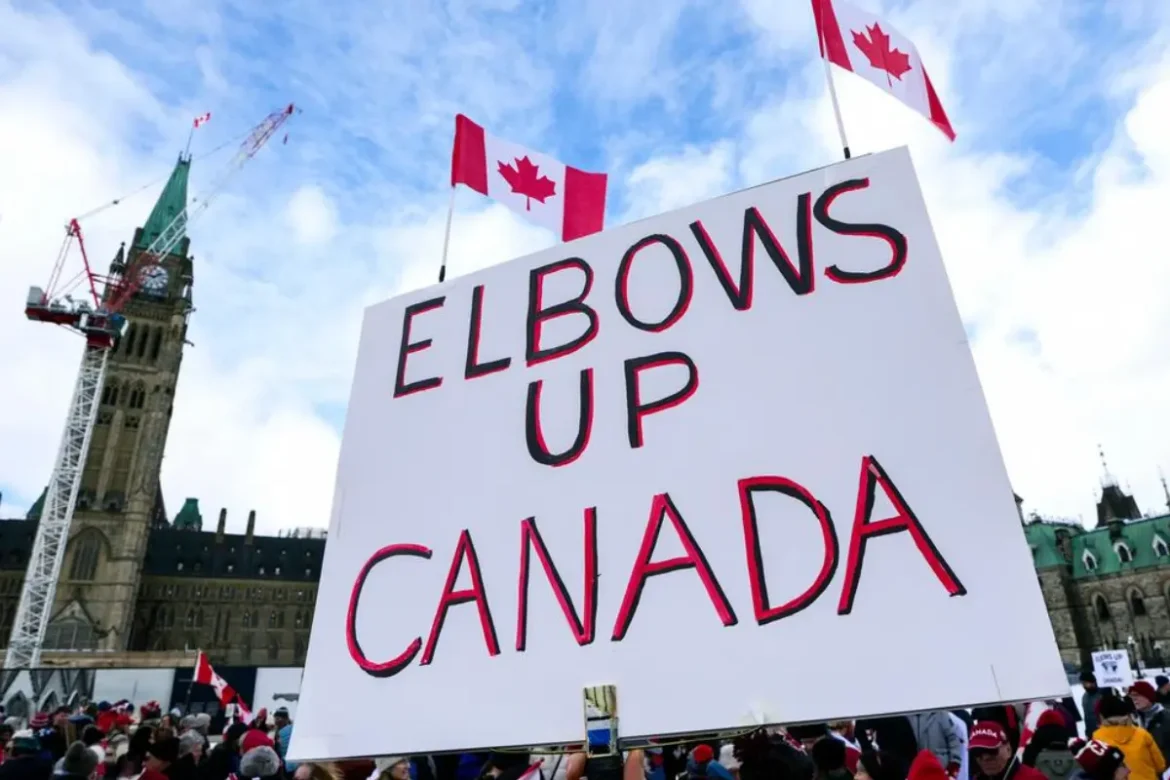
A new poll from Angus Reid shows that most Canadians want their government to gear up for a fight and hit back against U.S. President Donald Trump’s tariffs. The poll results reflect the growing frustration among Canadians with the trade tactics of the Trump administration and a desire for a strong response from the Canadian government. The findings come as Prime Minister Mark Carney and the premiers have been meeting in Charlottetown to develop a coordinated response to the latest tariff threat. The poll suggests that Canadians are supportive of a tough approach to the trade dispute.

The poll results reflect the broad public support for the government’s efforts to defend Canadian interests in the face of the U.S. tariff threats. Canadians have been closely following the trade dispute, which has dominated headlines in recent weeks. Many Canadians have expressed concern about the potential impact of the tariffs on the economy and jobs, but there is also a strong sense of national pride and a desire to stand up to what many see as unfair treatment by the United States. The poll results suggest that the government has public support for a firm response to the tariff threats.

The poll also highlights the political implications of the trade dispute for the Canadian government. With Canadians supportive of a tough response, the government has an incentive to take a strong stance in negotiations with the United States. However, the government also needs to balance the desire for a firm response with the need to avoid escalating the trade dispute in a way that could harm the Canadian economy. The poll results suggest that the government has some room to manoeuvre in its approach to the trade dispute, as long as it is seen as defending Canadian interests.

Pages: 1 2

Advertisement

Canada’s premiers have expressed a range of views on the best approach to responding to the U.S. tariff threats, though they have emphasized that they are united in their opposition to the tariffs. The differences in approach reflect the diverse economic interests of the provinces and territories, as well as different political philosophies. Ontario Premier Doug Ford has been among the most vocal advocates for strong retaliation, suggesting that Canada should withhold its potash and oil exports to the United States. “We are an energy powerhouse and we could dismantle the U.S. if we wanted to,” Ford said, adding he is only speaking for Ontario.

Alberta Premier Danielle Smith has taken a different approach, expressing skepticism about the effectiveness of retaliatory tariffs and emphasizing the importance of continued negotiations. Smith has said she doesn’t believe in retaliatory tariffs and has struck a positive tone, saying she is hoping the outstanding tariffs can be dealt with in the coming weeks. “I think this is a window — this month that we have or 28 days — to sharpen the pencils and sharpen the focus,” Smith said. The premier’s comments reflect Alberta’s reliance on energy exports to the United States and the potential impact of retaliation on the province’s economy.

Manitoba Premier Wab Kinew has emphasized the importance of unity in the face of the common threat. “Nothing unites like a common opponent and there’s no more popular opponent in Canada right now than Donald Trump,” Kinew said. The premier’s comments reflect the view that the trade dispute has created an opportunity for Canadians to come together and present a united front. Kinew has also said he is looking for more details from the federal government about what measures are being considered if talks sour before the tariff deadline.

Pages: 1 2

Advertisement

Prime Minister Mark Carney has acknowledged that he “should have been clearer” in his description of the new deal to open the Gordie Howe International Bridge, after the text of the agreement appeared to contradict his original explanation. The prime minister, speaking at a news conference, said he “imperfectly” described the deal and that the new revenue-splitting arrangement with the United States doesn’t account for debt repayment. “Could I have explained it better on a Sunday morning at Stampede, with a cowboy hat on? Yes, I could have explained it better,” Carney said.

The controversy began when Carney, speaking at the Calgary Stampede shortly after the deal was struck but before the text was made public, told CTV that bridge toll revenue would only be split with the U.S. after accounting for operating costs, including repaying the debt. However, the text of the agreement, which was only made public late Tuesday, made no reference to Canada’s debt, contradicting the prime minister’s original comments. The discrepancy raised questions from the Opposition Conservatives, who called for the deal to be released publicly.

The deal, described as a “proposed agreement in principle,” says that for the first 15 years, Canada will split half of the bridge’s net revenue with an economic development fund “established and solely controlled” by the U.S. government. The new deal was reached even though Canada and Michigan struck an initial agreement to build the bridge in 2012. Under that original agreement, Canada fronted the money for the construction of the bridge, which came in at $6.4 billion, and Canada was set to collect the tolls until the cost was repaid, after which the revenues would be split with Michigan.

Pages: 1 2

Advertisement

Prime Minister Mark Carney has brought together Canada’s premiers in Charlottetown for the 2026 Council of the Federation Summer Meeting, where the leaders have presented a united front in response to the latest tariff threats from U.S. President Donald Trump. The four-hour meeting with the premiers was described by Carney as an example of “the federation working as it should,” pointing to the leaders’ unity in the face of the latest tariff threat. The premiers, who represent different political parties and regions, have put aside their differences to present a coordinated response to the trade challenges facing the country.

The meeting was thrown a curveball on Monday when Washington announced that it will impose 50 per cent tariffs on billions of dollars’ worth of Canadian imports come August 19. The U.S. said the new tariffs are in response to what it sees as Canada’s retaliation against American trade policy and discrimination against its motor vehicles, dairy, and alcohol. The announcement has created significant urgency for the premiers and the prime minister, who have been working to develop a coordinated response to the trade threat. The leaders have emphasized that they are united in their determination to defend Canadian interests.

Carney told reporters that “everything is on the table” when considering retaliation against the United States if there is no agreement before the new slate of tariffs come into effect next month. The prime minister also insisted that Canada is responding, saying, “Yes, we are intensifying our negotiations with the United States in pursuit of a comprehensive agreement that addresses all tariff-related sectors”. The prime minister’s comments reflect the government’s commitment to finding a negotiated solution while also preparing for the possibility that retaliation may be necessary.

Pages: 1 2

Advertisement

logo-white

Disclaimer

The content published on this website is provided for general informational purposes only. While we strive to keep the information accurate and up to date, we make no representations regarding its accuracy, completeness, or suitability. Readers are responsible for how they use the information found on this site.

All rights reserved © 2026