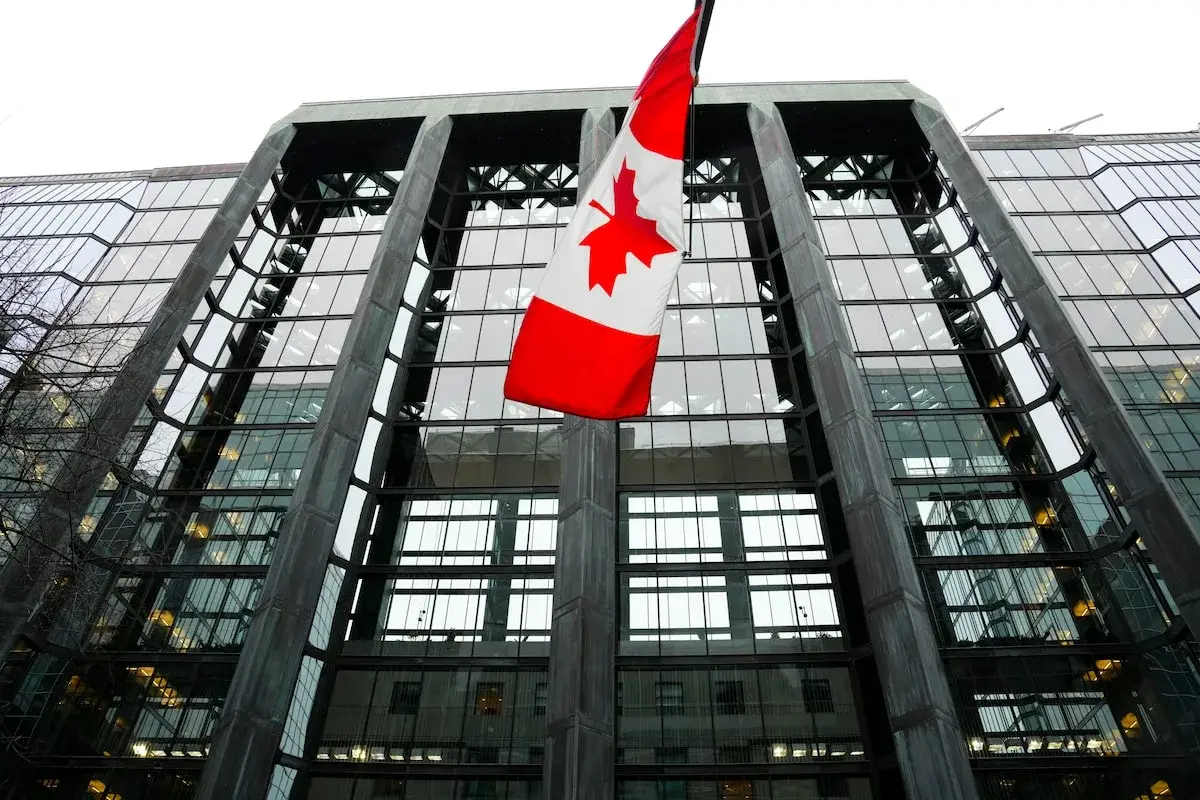
The Canadian dollar has weakened against the U.S. dollar amid the trade tensions, with the currency hitting a one-week low as yield spreads widened. The depreciation of the loonie makes Canadian exports more competitive but also increases the cost of imports, which could feed into inflation. The Bank of Canada will be watching the currency’s performance closely, as a sustained decline could complicate the central bank’s efforts to bring inflation back to target. The central bank has also been monitoring global economic developments, including the impact of geopolitical tensions on energy prices and global trade.
Advertisement
The Canadian Federation of Independent Business has projected that private investment will weaken, even as GDP is expected to grow in the second and third quarters of 2026. The weak investment outlook reflects the uncertainty created by the trade tensions, as businesses delay capital expenditure decisions until the trade situation becomes clearer. The combination of trade uncertainty and weak investment could dampen the economic recovery and make it more difficult for Canada to achieve its growth potential. The Bank of Canada has emphasized the importance of supporting investment and innovation to ensure sustained economic growth.
The Bank of Canada remains committed to its mandate of maintaining price stability and supporting economic growth. The central bank will continue to monitor economic developments closely and adjust monetary policy as needed to achieve its objectives. The outlook for the Canadian economy remains positive, with growth expected to pick up in the coming years. However, the risks to the outlook, including the trade tensions with the United States, warrant careful monitoring and a flexible approach to monetary policy.